
Today, Xiangya Hospital of Central South University stands as a leading Grade A tertiary hospital, renowned for its cutting-edge research, comprehensive clinical specialties, and robust international partnerships. This article explores Xiangya’s heritage, its role in modern Chinese healthcare, and its commitment to global medical education.
Xiangya Hospital of Central South University
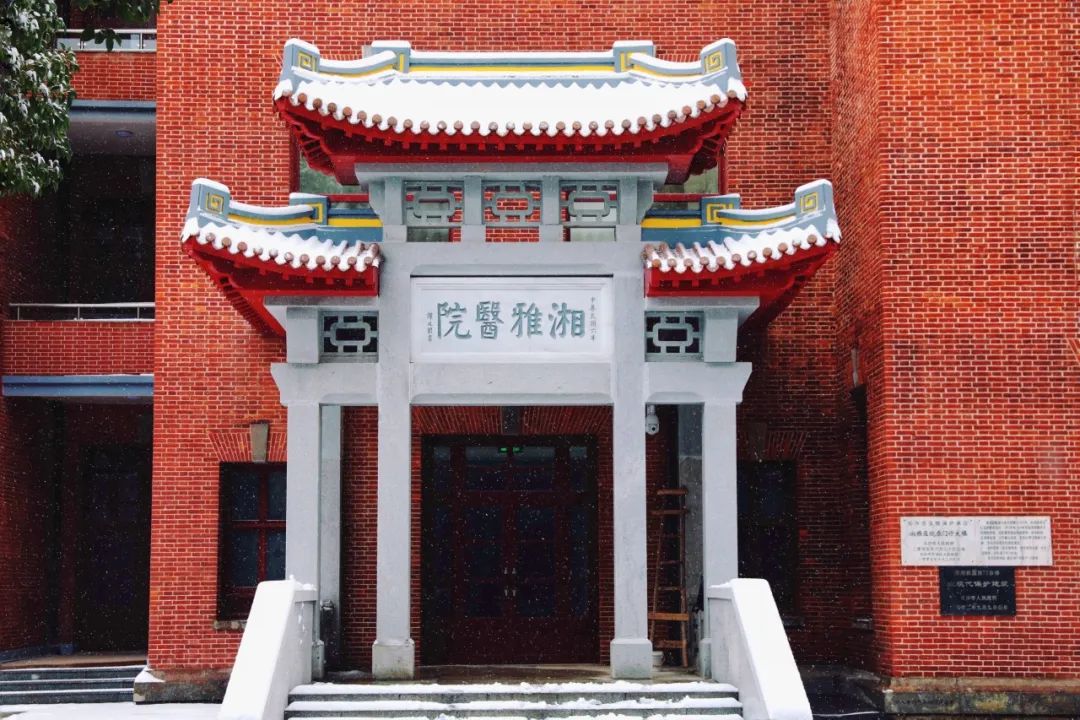
A Heritage of International Collaboration
Xiangya Hospital's origins are deeply rooted in Sino-American cooperation. It was established by Dr. Edward Hume, a Johns Hopkins graduate, under the auspices of the Yale-China Association. Originally named Yale-China Hospital, it was renamed Xiangya Hospital in 1914 ("Xiang" representing Hunan and "Ya" for Yale).
This partnership introduced Western medical education and clinical standards to China, creating a rigorous "Xiangya Style" characterized by strict training and high clinical standards. Even today, the hospital maintains a "global-standard" approach to medical education and patient care.
Clinical Prowess and Specialized Care
As a national-level general hospital, Xiangya operates over 3,500 beds and houses nearly 100 clinical departments. It is consistently ranked among the top hospitals in China by the Fudan University Hospital Management Institute.
Key areas of excellence include:
- National Key Clinical Specialties: Xiangya boasts dozens of national-level key specialties, including Neurology, Neurosurgery, Dermatology, Orthopedics, and Otolaryngology.
- Medical Innovation: The hospital is a powerhouse for scientific research, home to several National Clinical Research Centers. It leads the nation in many complex surgeries and experimental therapies, particularly in the fields of oncology and precision medicine.
- Public Health Leadership: Xiangya played a pivotal role during national emergencies, including the fight against Ebola in Sierra Leone and the COVID-19 pandemic, sending elite medical teams to the front lines.
Global Outreach and Modern Facilities
In the 21st century, Xiangya has prioritized "Internationalization." A prime example is the Xiangya International Medical Center (XIMC), established in collaboration with the University of Pittsburgh Medical Center (UPMC). This center provides world-class healthcare services for expatriates and domestic patients seeking international standards of care.
The hospital also maintains active student and scholar exchange programs with prestigious institutions such as Yale University, the University of Michigan, and the University of Pittsburgh, ensuring that its medical staff and students are at the forefront of global health trends.
Conclusion: The "Xiangya Spirit"
For over 110 years, Xiangya Hospital has balanced its historical legacy with modern innovation. It remains a beacon of hope for patients in Central China and a model for international medical cooperation. Whether through its "Famous Doctor" projects or its high-impact scientific publications, Xiangya continues to define the pinnacle of medical excellence in the "South."