
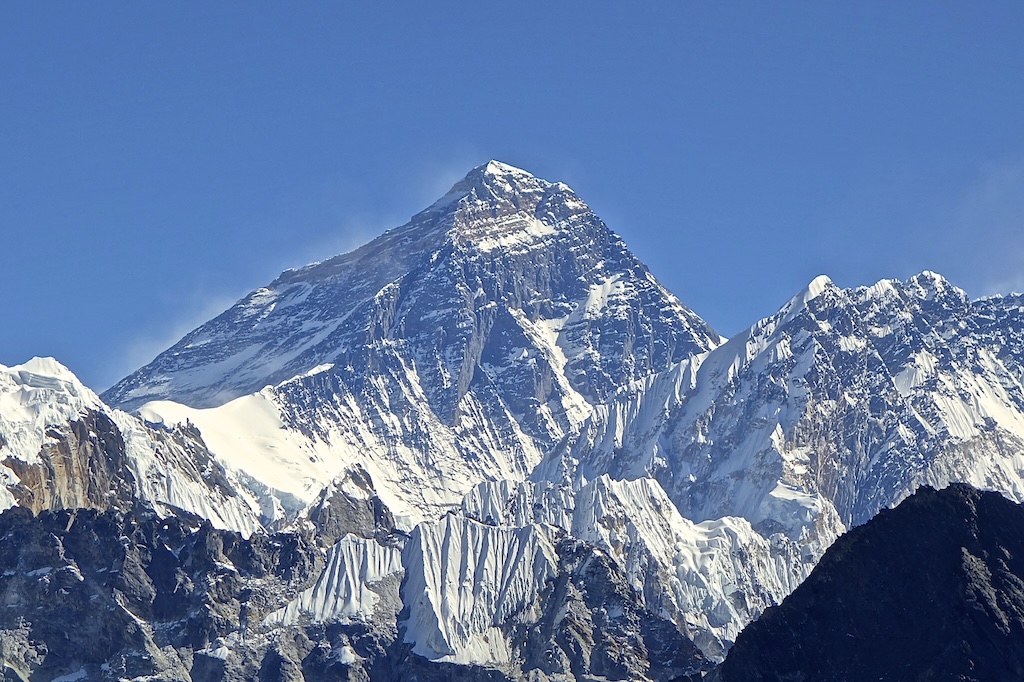
Located within the Qomolangma National Nature Preserve, the Tibetan (north) side of Everest offers dramatic Himalayan landscapes, access by road to Everest Base Camp, and a rare opportunity to experience Tibetan Buddhist culture at the foot of the world’s tallest peak.
This SEO-optimized guide covers everything foreign travelers need to know about visiting Mount Everest in Tibet — including highlights, permits, best time to visit, transportation, and practical travel tips.
Why Visit Mount Everest from Tibet?
While many travelers know Everest from the Nepal side, the Tibetan route offers a uniquely expansive and less crowded perspective of the mountain’s majestic north face.
1. The World’s Highest Peak
Mount Everest — known in Tibetan as Qomolangma (Chomolungma), meaning “Goddess Mother of the World” — stands at 8,848.86 meters (29,031.7 feet). From Tibet, visitors enjoy a clear, panoramic view of the towering north face.
2. Drive to Everest Base Camp (Tibet Side)
Unlike the multi-day trek required from Nepal, you can reach Everest Base Camp (EBC) on the Tibetan side by vehicle. Located at about 5,200 meters, this makes Everest accessible to travelers who may not want a strenuous high-altitude trek.
3. Visit Rongbuk Monastery
Rongbuk Monastery is the highest monastery in the world (5,009 meters). This peaceful Tibetan Buddhist monastery offers one of the most iconic views of Everest at sunrise and sunset.
Top Experiences at Mount Everest (Qomolangma)
🌄 Watch Sunrise Over Everest
The golden light illuminating Everest’s summit at dawn is one of the most unforgettable sights in the Himalayas. Clear mornings in spring and autumn offer the best photography conditions.
🏔 Explore the Himalayan Plateau
The vast Tibetan Plateau surrounding Everest features dramatic landscapes: glaciers, sweeping valleys, nomadic grasslands, and snow-capped peaks stretching endlessly into the horizon.
🛕 Experience Tibetan Culture
From prayer flags fluttering in the wind to chanting monks at Rongbuk Monastery, the region offers authentic insight into Tibetan spirituality and local life.
How to Visit Mount Everest from Tibet
1️⃣ Permits Required
Foreign travelers must obtain:
- A Tibet Travel Permit
- An Alien’s Travel Permit
- A Military Permit (for certain areas)
Travel must be arranged through a licensed Tibet travel agency. Independent travel is not permitted.
2️⃣ Getting There
Most journeys begin in Lhasa, Tibet’s capital. From Lhasa:
- Drive approximately 600–700 km over 3–4 days
- Travel along the scenic Friendship Highway
- Gradually acclimatize to high altitude
Many tours include stops at Yamdrok Lake and Shigatse along the way.
Best Time to Visit Mount Everest (Tibet)
April to June and September to October are the best months to visit.
- 🌤 Clear skies and stable weather
- 📷 Best visibility of Everest
- ❄ Avoid heavy winter snow and summer monsoon
Winter travel is possible but extremely cold. July–August may have cloud cover due to monsoon season.
Altitude & Safety Tips
At 5,200 meters, altitude sickness is a serious consideration.
✔ Spend several days acclimatizing in Lhasa ✔ Drink plenty of water ✔ Avoid alcohol ✔ Consider consulting a doctor about altitude medication
Travel insurance covering high-altitude travel is strongly recommended.
Accommodation Options
- Tent Guesthouses at EBC (basic but atmospheric)
- Rongbuk Monastery Guesthouse
- Comfortable hotels in Shigatse before reaching Everest
Facilities are simple — expect limited electricity and basic amenities.
Photography & Travel Tips
- Bring warm layers (temperatures drop below freezing at night, even in summer)
- UV protection is essential (strong high-altitude sunlight)
- Carry cash (limited digital payment access)
- Respect local religious customs and photography rules
Why Mount Everest (Qomolangma) Should Be on Your Bucket List
Visiting Mount Everest from Tibet is not just about seeing the highest mountain in the world — it is about standing on the vast Tibetan Plateau, breathing the thin Himalayan air, and witnessing a landscape that feels truly otherworldly.
For foreign travelers seeking a once-in-a-lifetime adventure, spiritual depth, and breathtaking scenery, Qomolangma offers an unparalleled journey to the “Roof of the World.”