
This comprehensive travel guide introduces foreign travelers to the best attractions, cultural highlights, how to get there, and practical travel tips—optimized for first-time visitors to China.
Where Is Mount Wuyi?
Mount Wuyi is located in northwestern Fujian Province, near the border with Jiangxi. It is part of the larger Wuyi Mountain range and is one of China’s most celebrated scenic and cultural destinations.
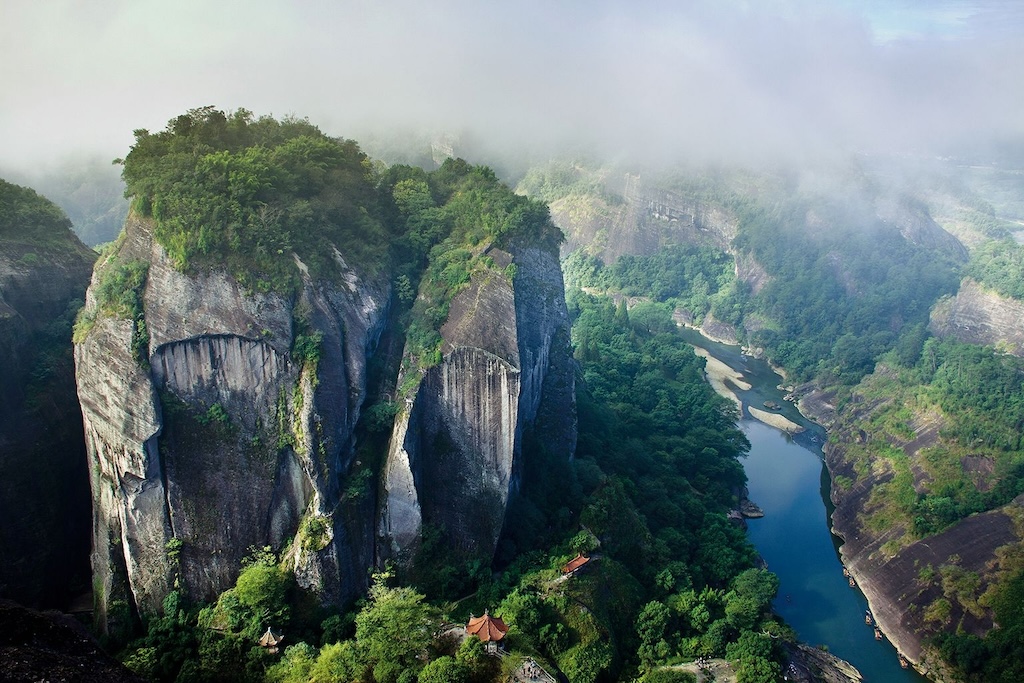
Recognized by UNESCO as a Mixed World Heritage Site (natural and cultural), Mount Wuyi is famous for:
- Danxia landforms (dramatic red sandstone cliffs and pillars)
- Pristine subtropical forests
- Ancient Confucian academies
- Traditional tea culture
Top Things to Do in Mount Wuyi
1. Bamboo Rafting on the Nine-Bend River
The Nine-Bend River (Jiuqu River) is the heart of Mount Wuyi’s scenic area. Floating downstream on a traditional bamboo raft, you’ll glide past towering cliffs, unusual rock formations, and lush greenery.
Why it’s special:
- Slow, peaceful pace (about 90 minutes)
- Incredible photo opportunities
- Commentary from local raft guides
👉 Tip: Book tickets early during peak season (April–October).
2. Hike to Tianyou Peak (Heavenly Tour Peak)
Tianyou Peak offers one of the most breathtaking panoramic views in southeastern China.
Highlights:
- Stunning sunrise views
- Scenic cliffside trails
- Overlook of the Nine-Bend River
The hike is moderately challenging but suitable for most travelers in good physical condition.
3. Explore Ancient Tea Culture – Da Hong Pao
Mount Wuyi is the birthplace of Wuyi Rock Tea (Yancha), including the legendary Da Hong Pao (Big Red Robe)—one of the most famous and historically valuable teas in China.
You can:
- Visit traditional tea plantations
- See the original “mother trees” of Da Hong Pao
- Participate in authentic tea ceremonies
- Learn about traditional charcoal roasting methods
For tea lovers, this is a once-in-a-lifetime experience.
4. Visit the Ancient Wuyi Palace & Confucian Academies
Mount Wuyi was an important center of Neo-Confucian philosophy during the Song Dynasty. The famous scholar Zhu Xi once taught here.
At Wuyi Palace and nearby academies, you can:
- Explore centuries-old architecture
- Learn about Chinese philosophy
- Experience cultural exhibitions
Why Mount Wuyi Is Unique
🌿 1. A Rare UNESCO “Mixed” Heritage Site
Few places in the world combine both natural beauty and deep cultural heritage at this level.
🍵 2. Home of China’s Most Prestigious Oolong Teas
Wuyi Yancha is globally respected among tea connoisseurs.
🌄 3. Dramatic Danxia Landforms
The red cliffs and rock pillars create a landscape that feels almost cinematic.
Best Time to Visit Mount Wuyi
- Spring (March–May): Best weather, tea harvest season
- Autumn (September–November): Clear skies, comfortable temperatures
- Summer: Lush greenery but humid
- Winter: Fewer tourists, quieter atmosphere
How to Get to Mount Wuyi
- ✈️ Fly to Wuyishan Airport (limited routes)
- 🚄 High-speed train to Wuyishan North Railway Station
- 🚗 3–4 hours by train from Xiamen or Fuzhou
Most international travelers arrive via Xiamen, then transfer by train.
Where to Stay
Options range from:
- Boutique tea-themed guesthouses
- Riverside hotels
- International-standard resorts
Staying inside or near the scenic area saves travel time.
Travel Tips for Foreign Visitors
- Bring passport for ticket purchase
- Download translation apps
- Try local Fujian cuisine (don’t miss bamboo shoots and river fish)
- Allocate at least 2 full days
Suggested 2-Day Itinerary
Day 1:
- Bamboo rafting
- Tianyou Peak hike
- Tea plantation visit
Day 2:
- Wuyi Palace
- Tea tasting experience
- Scenic forest trails
Final Thoughts: Is Mount Wuyi Worth Visiting?
Absolutely. If you’re seeking a destination beyond Beijing and Shanghai—one that offers authentic culture, spectacular landscapes, and immersive tea experiences—Mount Wuyi should be on your China travel list.
It’s peaceful, poetic, and profoundly Chinese.